Did you know?
That Dino’s Kelulut Stingless Bee Honey is now available for shipping worldwide—a key highlight in our collection of Kelulut Honey Facts?
read more
Did you know?
Delving deeper into Kelulut Honey Facts: Did you know that the Trigona species are indeed rare and unique? And that unlike the Apis species, found in most regions of the world, the Trigona species are only found in tropical and subtropical regions?
Are you aware that the oldest known fossil, Trigona Prisca, dates as far back as 96 to 74 Million years ago—an ancient detail in our collection of Kelulut Honey Facts?
Did you know?
That the Kelulut stingless bees are more organized and less offensive than the Apis species—a key distinction highlighted in our Kelulut Honey Facts?
shop now
Did you know?
Did you know that 1 spoon of Dino’s Kelulut Stingless Bee honey contains a very good combination of vitamins, minerals, enzymes, and good bacteria our body needs? This nutritional profile is one of the key Kelulut Honey Facts we love to share!
Did you know?
It is best to take one spoon of Kelulut honey on an empty stomach 30 minutes to an hour before meal and before sleep so the body can absorp all the nutritions from the honey.
Did you know?
Kelulut Stingless bee has a sweet sour aftertaste and doesn’t taste anything like the normal Apis honey we’re used to.
read more
Did you know?
That the Trigona species are indeed rare and unique—a key element of our Kelulut Honey Facts? Unlike the Apis species that are found in most regions of the world, the Trigona species are only found in tropical and subtropical regions?
Did you know?
The nectar actually does somehow affect the taste and the colour of the honey—an important detail in our Kelulut Honey Facts?
Did you know?
Stingless bees are great pollinators for most of the trees found in tropical rainforests?
shop now
Did you know?
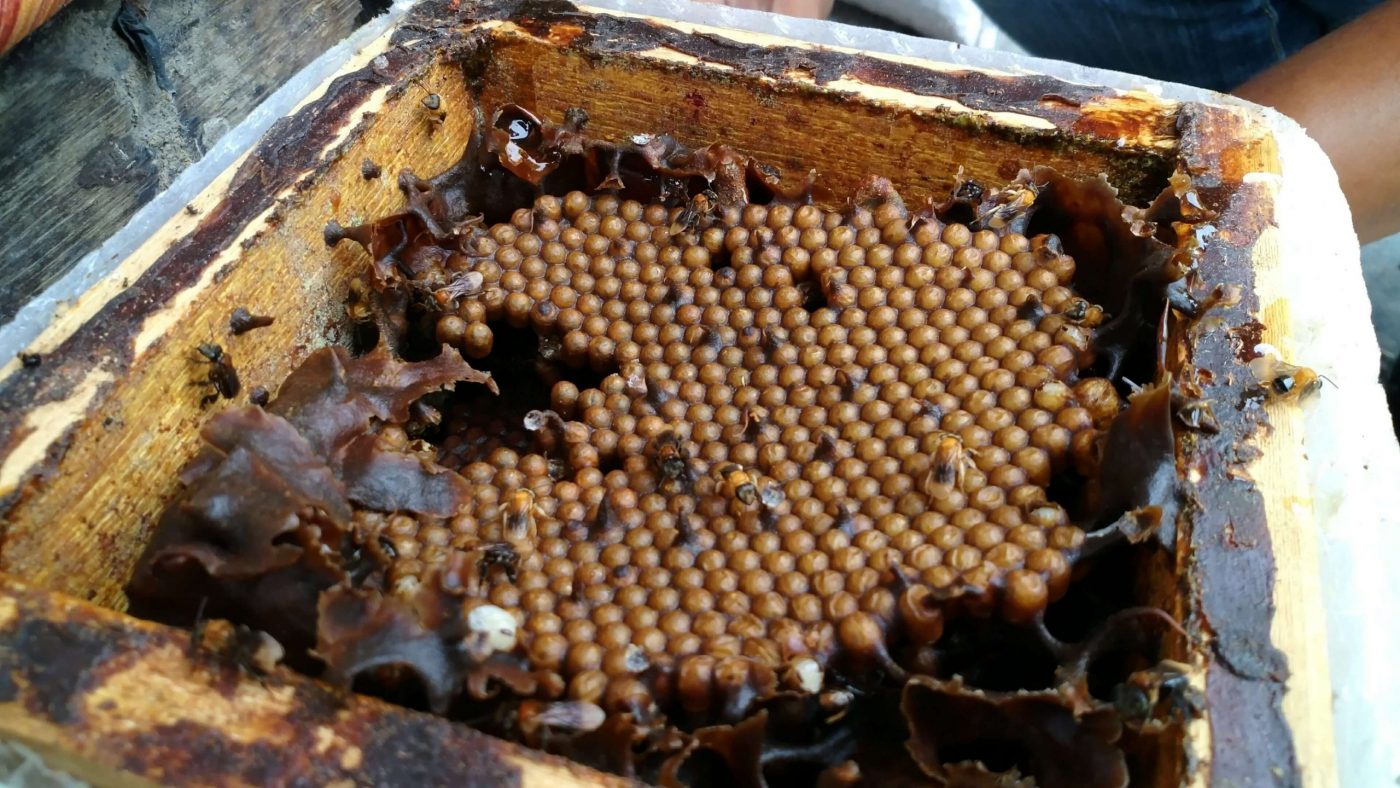
Kelulut Stingless bee honey is superior than normal honey? This is because Kelulut honey stored in propolis pots and natually absorbs the healing properties of propolis—a key reason highlighted in our Kelulut Honey Facts. They do not have honeycomb and do not use honeycomb to store their honey. Simply unique!